
Learning from the Eden Project: Reimagining educational gardens
Sammi is a social-environmental researcher, educator, and writer exploring how humans can restore relationships with the living world. She is a Senior Research Fellow at the Belonging Forum through which collaborated with the Eden Project to study ecological learning through garden design. A Fulbright alum and Oxford MPhil graduate, Sammi’s work spans community-based research from Peru to South India, engaging post-development perspectives, participatory storytelling, and creative methods to cultivate reciprocity with the more-than-human world. She draws inspiration from her research in her role as Manager of Learning, Community, and Partnerships at the Belonging Forum.
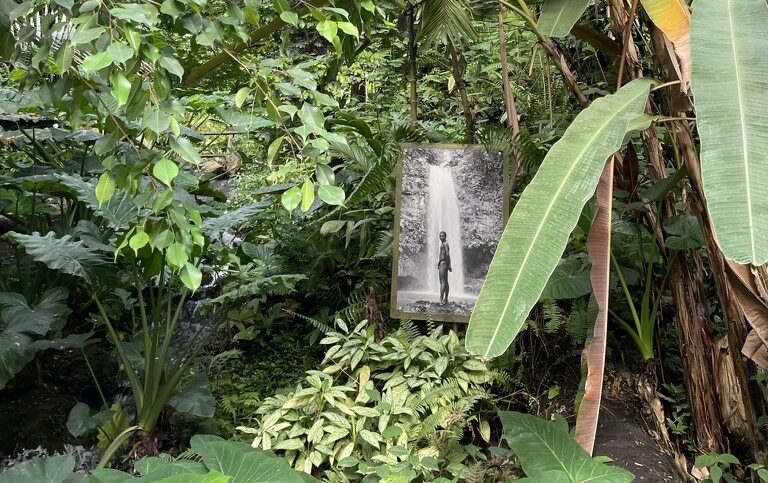
As a “living theatre of plants and people”, the Eden Project encourages visitors to become actors alongside plants. Visitors gaze upwards in wonder, play, sense, and feel moisture and sun on their skin. In the biomes, massive structures that mimic different ecosystems around the world, bird song reverberates and smells of wet earth permeate the air.
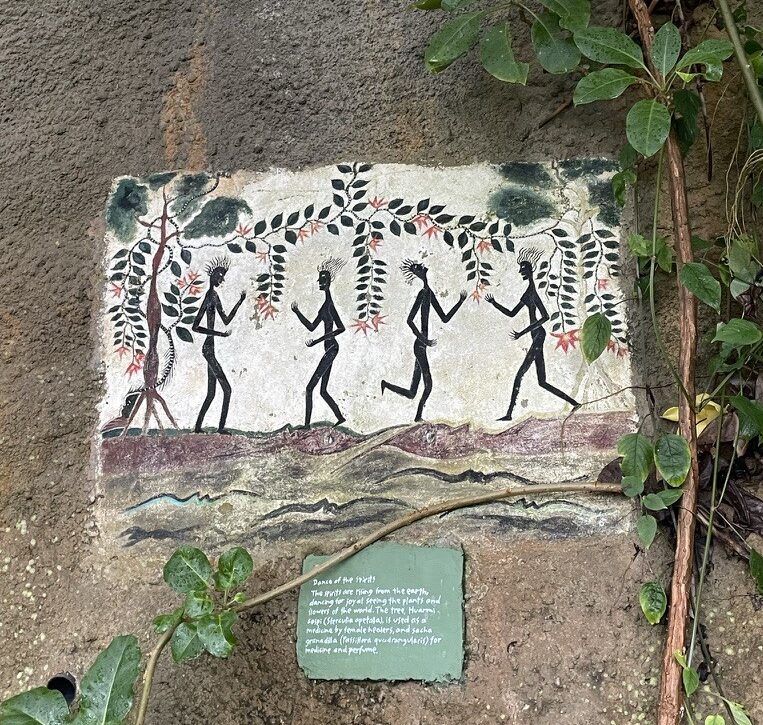
Visitors are encouraged to notice, wonder, and observe with delight and feel from their whole bodies. Rope bridges encourage play, fairy nooks invoke curiosity and wonder, cultural stories of plants and Indigenous art share a living narrative: humans are a part of nature, and we can only care about the living world when we feel connected to it.
Every second of every day, we belong to a living, breathing system of life. But we live in ways that disconnect us from this truth. Public spaces that tell stories about plants and people can help remind us of our belonging to complex, interconnected systems. We desperately need public spaces that help us discover our belonging to place, prompting us to feel, sense, and wonder about life in its many forms.
Botanical gardens, science museums, and educational spaces have a unique opportunity and responsibility to portray plants connected to their place-based and cultural practices, illuminating plants as relational beings, part of our places, cultures, and our collective story of belonging.
Learning from the Eden Project
Our research began with a question: how might educational gardens help us to relate to and learn with the living world? We wondered how Eden Project’s design works to reconnect humans to nature through sensorial embodiment and the engagement of art.
To answer this question, our team spent a week at the Eden Project in Cornwall. We interviewedten members of the leadership team and spent time observing the sensory-focused design in the biomes. We were particularly interested in how the design of the space itself shapes the way people notice, feel and relate to the natural world.
Telling stories of plants and place
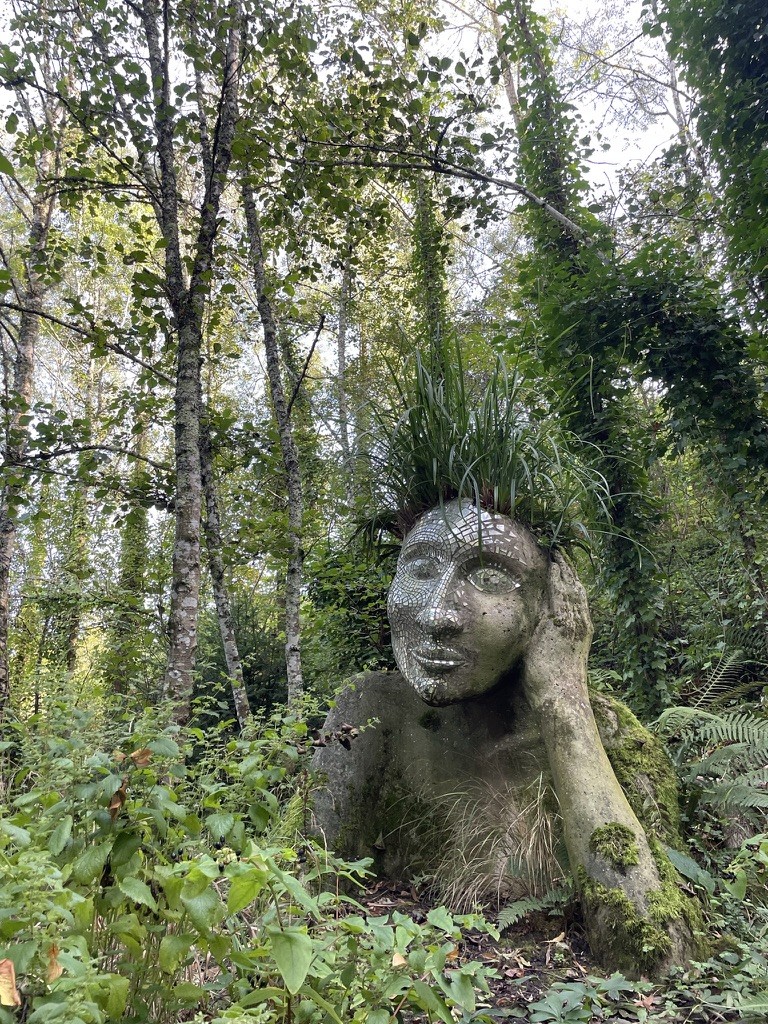
The Eden Project Cornwall’s educational strategy and immersive design encourage a shift away from seeing humans as separate from nature, centering stories and art that depict humans as part of an interconnected system of life. Art displays also depict a story of transformation and the possibility of healing land and relationships.
Our research suggests that educational spaces can learn from these approaches. Our findings illuminate the importance of spaces that engage the senses, tell natural and cultural stories of place, and invoke plants as living beings. Through attention to design, environmental learning becomes a part of everyday life, shaping how people relate to plants and to the wider world.
Designing spaces that deepen relationality
The lessons from this research extend beyond educational gardens. They have implications for museums, science centres, cultural institutions, parks and other public spaces where belonging is being built.
How might we design spaces that help people feel part of the living world, focusing on the senses, art, and place-based learning? The Eden Project offers one powerful example. It shows that institutions like botanical gardens and science institutions can go beyond communicating facts about nature and help humans rediscover that they belong to an extraordinary web of life.
When we experience belonging to place, we may also feel a greater responsibility to care for both our local places and the Earth as an interconnected system. We need further examples of educational and public spaces that reflect our relationality with the more-than-humanworld. The Eden Project Cornwall’s immersive design can inform other public spaces in engaging people and plants through an immersive theatre of the senses. Our paper also explores some of the challenges Eden Project faces, including tensions between financial sustainability and environmental learning.
This article is the first published piece from the Belonging Research Lab, titled: “Reimagining educational gardens: art, sensory design, and place-based pedagogy” published in Environmental Education Research. I led the research alongsideSamuel McQuillen, Prenika Anand, and Kim Samuel. While an exciting milestone for our Research Lab, it is also an opportunity to share learnings from our partners at the Eden Project Cornwall about the role gardens can play in reconnecting people to nature.
Read the full open-access paper: Reimagining educational gardens: art, sensory design, and place-based pedagogy.